Buy cthirion.eu ?
We are moving the project
cthirion.eu .
Are you interested in purchasing the domain
cthirion.eu ?
domain@kv-gmbh.de · 0541-91531010
Buy cthirion.eu ?
Is it possible to paint over non-woven wallpaper?
Yes, it is possible to paint over non-woven wallpaper. Non-woven wallpaper is designed to be paintable, and it provides a smooth and durable surface for painting. Before painting, it is important to properly prepare the wallpaper by cleaning it and applying a primer to ensure the paint adheres well. Once the wallpaper is prepped, you can paint it with your desired color to achieve the look you want. **
Can you wallpaper over regular wallpaper with non-woven wallpaper?
Yes, you can wallpaper over regular wallpaper with non-woven wallpaper. Non-woven wallpaper is designed to be easy to install and remove, making it a good option for covering existing wallpaper. Before applying the new wallpaper, it is important to ensure that the existing wallpaper is in good condition, free of any bubbles or tears. Additionally, it is recommended to use a primer before applying the new wallpaper to ensure proper adhesion. **
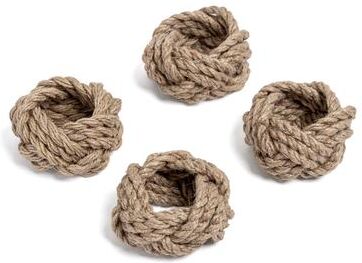
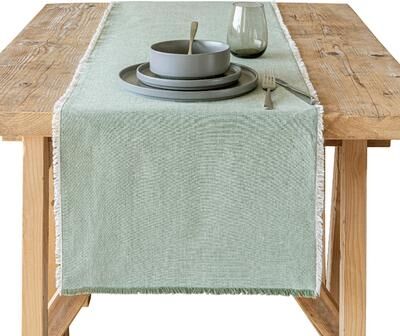
Similar search terms for Over-back-Woven-Rope
Top-Angebote
Products related to Over-back-Woven-Rope:


-
What causes extreme back and stomach cramps after jumping rope?
Extreme back and stomach cramps after jumping rope can be caused by a variety of factors. One common reason is dehydration, as intense physical activity like jumping rope can lead to fluid loss and electrolyte imbalances. Poor form or overexertion while jumping rope can also strain the muscles in the back and stomach, leading to cramping. Additionally, underlying conditions such as muscle fatigue, lack of proper warm-up or cool-down, or inadequate stretching before exercise can contribute to cramps in these areas. It is important to listen to your body, stay hydrated, and ensure proper form and conditioning to prevent cramping during physical activity like jumping rope. **
-
What causes extreme back and abdominal cramps after jumping rope?
Extreme back and abdominal cramps after jumping rope can be caused by a variety of factors. One common reason is muscle fatigue and overexertion from the repetitive jumping motion, leading to cramping in the back and abdominal muscles. Dehydration and electrolyte imbalances can also contribute to muscle cramps during exercise. Additionally, poor form or technique while jumping rope can put strain on the back and core muscles, leading to cramping. It is important to stay hydrated, warm up properly, and ensure proper technique to help prevent cramps during and after jumping rope. **
-
How are two masses connected by a rope over a pulley?
Two masses are connected by a rope over a pulley by having the rope pass over the pulley and each mass being attached to one end of the rope. As one mass moves down, the other mass moves up due to the tension in the rope. The pulley allows the masses to move freely and changes the direction of the force applied by the masses. This setup is commonly used in physics experiments to study the principles of motion and forces. **
-
How are fabrics woven?
Fabrics are woven by interlacing two sets of yarns, the warp and the weft, on a loom. The warp yarns are stretched lengthwise on the loom, while the weft yarns are woven across the warp yarns. The process involves raising and lowering the warp yarns to create an opening, through which the weft yarn is passed. This interlacing of warp and weft yarns creates the fabric structure. Different weaving techniques, such as plain weave, twill weave, and satin weave, can produce a variety of fabric textures and patterns. **

How do I remove wallpaper that has been wallpapered over with non-woven fabric?
To remove wallpaper that has been wallpapered over with non-woven fabric, you will first need to score the surface of the non-woven fabric with a scoring tool to allow the wallpaper removal solution to penetrate. Then, apply a wallpaper removal solution or a mixture of warm water and vinegar to the scored surface and let it sit for a few minutes to soften the adhesive. Once the adhesive is softened, use a putty knife or a wallpaper scraper to gently peel off the non-woven fabric and the underlying wallpaper. Finally, clean the wall with a sponge and warm, soapy water to remove any remaining adhesive residue. **
What is rope friction and rope force?
Rope friction is the resistance encountered when a rope slides over a surface or through a system of pulleys. It is caused by the interaction between the rope and the surface it is in contact with, which can reduce the efficiency of the system. Rope force, on the other hand, is the tension or force exerted on a rope when it is being pulled or supporting a load. It is important to consider both rope friction and rope force when designing systems involving ropes to ensure safety and efficiency. **
Top-Angebote
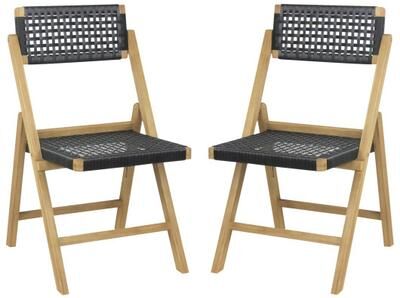
Products related to Over-back-Woven-Rope:
-
Is it possible to paint over non-woven wallpaper?
Yes, it is possible to paint over non-woven wallpaper. Non-woven wallpaper is designed to be paintable, and it provides a smooth and durable surface for painting. Before painting, it is important to properly prepare the wallpaper by cleaning it and applying a primer to ensure the paint adheres well. Once the wallpaper is prepped, you can paint it with your desired color to achieve the look you want. **
-
Can you wallpaper over regular wallpaper with non-woven wallpaper?
Yes, you can wallpaper over regular wallpaper with non-woven wallpaper. Non-woven wallpaper is designed to be easy to install and remove, making it a good option for covering existing wallpaper. Before applying the new wallpaper, it is important to ensure that the existing wallpaper is in good condition, free of any bubbles or tears. Additionally, it is recommended to use a primer before applying the new wallpaper to ensure proper adhesion. **
-
What causes extreme back and stomach cramps after jumping rope?
Extreme back and stomach cramps after jumping rope can be caused by a variety of factors. One common reason is dehydration, as intense physical activity like jumping rope can lead to fluid loss and electrolyte imbalances. Poor form or overexertion while jumping rope can also strain the muscles in the back and stomach, leading to cramping. Additionally, underlying conditions such as muscle fatigue, lack of proper warm-up or cool-down, or inadequate stretching before exercise can contribute to cramps in these areas. It is important to listen to your body, stay hydrated, and ensure proper form and conditioning to prevent cramping during physical activity like jumping rope. **
-
What causes extreme back and abdominal cramps after jumping rope?
Extreme back and abdominal cramps after jumping rope can be caused by a variety of factors. One common reason is muscle fatigue and overexertion from the repetitive jumping motion, leading to cramping in the back and abdominal muscles. Dehydration and electrolyte imbalances can also contribute to muscle cramps during exercise. Additionally, poor form or technique while jumping rope can put strain on the back and core muscles, leading to cramping. It is important to stay hydrated, warm up properly, and ensure proper technique to help prevent cramps during and after jumping rope. **
Similar search terms for Over-back-Woven-Rope
-
over&back Rimmed Semi-Matte Stoneware Dinnerware SetMADE TO MATCH: This stoneware dish set is made with maximum color mix-and-matchability, so you can freestyle without all the fuss. Forget the rules - who needs 'em. March to the beat of your inner entertainer. And make spontaneous your signature style.84,99 $*Shipping: 0,00 $Secure redirect to the provider
-
How are two masses connected by a rope over a pulley?
Two masses are connected by a rope over a pulley by having the rope pass over the pulley and each mass being attached to one end of the rope. As one mass moves down, the other mass moves up due to the tension in the rope. The pulley allows the masses to move freely and changes the direction of the force applied by the masses. This setup is commonly used in physics experiments to study the principles of motion and forces. **
-
How are fabrics woven?
Fabrics are woven by interlacing two sets of yarns, the warp and the weft, on a loom. The warp yarns are stretched lengthwise on the loom, while the weft yarns are woven across the warp yarns. The process involves raising and lowering the warp yarns to create an opening, through which the weft yarn is passed. This interlacing of warp and weft yarns creates the fabric structure. Different weaving techniques, such as plain weave, twill weave, and satin weave, can produce a variety of fabric textures and patterns. **
-
How do I remove wallpaper that has been wallpapered over with non-woven fabric?
To remove wallpaper that has been wallpapered over with non-woven fabric, you will first need to score the surface of the non-woven fabric with a scoring tool to allow the wallpaper removal solution to penetrate. Then, apply a wallpaper removal solution or a mixture of warm water and vinegar to the scored surface and let it sit for a few minutes to soften the adhesive. Once the adhesive is softened, use a putty knife or a wallpaper scraper to gently peel off the non-woven fabric and the underlying wallpaper. Finally, clean the wall with a sponge and warm, soapy water to remove any remaining adhesive residue. **
-
What is rope friction and rope force?
Rope friction is the resistance encountered when a rope slides over a surface or through a system of pulleys. It is caused by the interaction between the rope and the surface it is in contact with, which can reduce the efficiency of the system. Rope force, on the other hand, is the tension or force exerted on a rope when it is being pulled or supporting a load. It is important to consider both rope friction and rope force when designing systems involving ropes to ensure safety and efficiency. **
* All prices are inclusive of VAT and, if applicable, plus shipping costs. The offer information is based on the details provided by the respective shop and is updated through automated processes. Real-time updates do not occur, so deviations can occur in individual cases. ** Note: Parts of this content were created by AI.