Buy cthirion.eu ?
We are moving the project
cthirion.eu .
Are you interested in purchasing the domain
cthirion.eu ?
domain@kv-gmbh.de · 0541-91531010
Buy cthirion.eu ?
What is a four-stroke engine?
A four-stroke engine is a type of internal combustion engine that operates through four distinct stages: intake, compression, power, and exhaust. During the intake stroke, the engine takes in a mixture of air and fuel. In the compression stroke, the mixture is compressed by the piston. The power stroke is when the spark plug ignites the compressed mixture, causing an explosion that drives the piston down. Finally, the exhaust stroke expels the spent gases from the combustion chamber. This process is repeated continuously to generate power and drive the vehicle. **
Which connection is flown by twin-engine, three-engine, and four-engine aircraft?
The connection that is typically flown by twin-engine, three-engine, and four-engine aircraft is long-haul international flights. These types of aircraft are designed for extended flights over large bodies of water or across continents, making them ideal for long-distance travel. They offer the range and capacity needed to cover these extensive distances while providing a comfortable and efficient journey for passengers. **


Similar search terms for Four-engine
Top-Angebote
Products related to Four-engine:
-
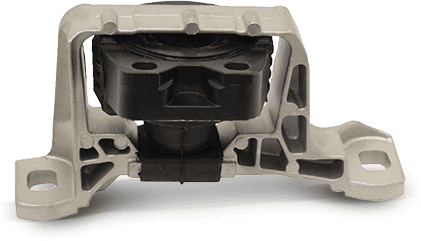
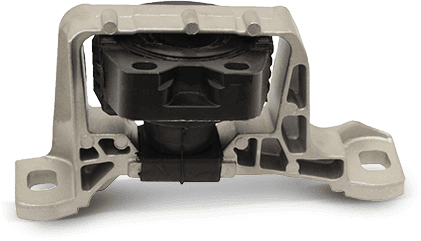
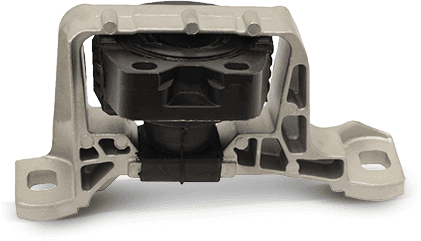
RIDEX 247E0008 Engine mountOuter Diameter [mm]: 91; Fitting Position: Upper; Mounting Type: Rubber-Metal Mount; Required quantity: 1; Length [mm]: 34,29; Engine Code: CMXA, CDLC, CESA, CFHF, CLCA, CAVD, CBFA, CDAB, CFGC, CFFB, CFFE, BLX, BGU, BLS, BLY, BSF, CFHC, BSE, BWA, BXE, CLCB, CBAA, CCSA, CBDB, CBBB, BKD, CBAB, BKC, BVY, BUB, AZV, CCZA, CEGA, BMN, BKP, BVX, CDLA, BWJ, CDAA, CFGB, CAWB, CAWA, CTHA, BZB, CFJA, BVE, CGGB, BMA, CAXA, CBDC, CFFA, CGYA, CAYE, CCTA, CBUA, CHPB, CUWA, CULC; Vehicle Identification Number (VIN) from: 8p-8A088 001, 1K-8-120001, 3C-8E055 001, 5P-8-032 601, 1T-8-080 001, 1T-9-068 180; Vehicle Identification Number (VIN) to: 8P-8B050 000, 8P-8A088 000, 1K-8-120000, 1Z-88038 538, 3C-8E055 001, 1K-8-400 000, 5P-6-100000, 3C-8-055 000, 8P-6A040 000; Transmission Type: 6-Speed Manual Transmission7,99 £*Shipping: 8,45 £Secure redirect to the provider
-
RIDEX 247E0025 Engine mountExternal Thread [mm]: M10; Colour: black; Material: Elastomer; Mounting Type: Rubber-Metal Mount; Fitting Position: Front Axle, both sides; Transmission Type: Manual Transmission; Vehicle Equipment: for vehicles without air conditioning; Engine Code: AAD, WV, YN, CR, JK, WY, WZ5,29 £*Shipping: 8,45 £Secure redirect to the provider


-
Which routes are flown by twin-engine, three-engine, and four-engine aircraft?
Twin-engine aircraft typically fly shorter routes, such as domestic or regional flights. Three-engine aircraft are less common, but they are often used for medium-haul routes, such as transcontinental flights. Four-engine aircraft, such as the Boeing 747 or Airbus A380, are used for long-haul international flights, covering routes that require extended range and capacity. These aircraft are designed to handle the demands of long-distance travel and are often used for intercontinental flights. **
-
Is a four-cylinder the same as a four-stroke engine?
No, a four-cylinder engine refers to the number of cylinders in the engine, while a four-stroke engine refers to the cycle of operations that the engine goes through to generate power. A four-cylinder engine can be either a four-stroke or a two-stroke engine, depending on the design. In a four-stroke engine, the four strokes are intake, compression, power, and exhaust, whereas in a two-stroke engine, these functions are combined into two strokes. **
-
How does a four-cylinder engine work?
A four-cylinder engine works by converting fuel into mechanical energy through a series of controlled explosions. Each cylinder in the engine contains a piston that moves up and down in a precise sequence. When fuel and air are mixed in the cylinder and ignited, it creates a small explosion that forces the piston down. This movement is transferred to the crankshaft, which ultimately powers the vehicle. The four cylinders work together in a coordinated manner to provide the necessary power for the vehicle to operate efficiently. **
-
How does the four-stroke engine work?
A four-stroke engine works by completing four separate stages in a cycle: intake, compression, power, and exhaust. During the intake stroke, the piston moves down, allowing a mixture of air and fuel to enter the combustion chamber. In the compression stroke, the piston moves back up, compressing the air-fuel mixture. The power stroke is when the spark plug ignites the compressed mixture, causing an explosion that drives the piston back down. Finally, the exhaust stroke pushes the remaining exhaust gases out of the combustion chamber. This cycle repeats continuously to generate the power needed to run the engine. **

What does a 14-liter large four-cylinder engine mean?
A 14-liter large four-cylinder engine means that the engine has a total displacement of 14 liters, which is the combined volume of all four cylinders. This indicates that the engine is quite large and is capable of producing a significant amount of power and torque. The four-cylinder configuration means that the engine has four individual cylinders working together to generate power, and the large displacement suggests that it is designed for heavy-duty applications such as commercial vehicles or industrial machinery. **
Why does a four-stroke engine not require a mixture?
A four-stroke engine does not require a mixture of fuel and air because it has separate intake and exhaust strokes. During the intake stroke, only air is drawn into the combustion chamber, and during the compression stroke, the air is compressed before the fuel is injected. This allows for a more precise control of the air-fuel ratio, resulting in better fuel efficiency and cleaner emissions. Additionally, the separate intake and exhaust strokes allow for better scavenging of exhaust gases, leading to improved engine performance. **
Top-Angebote
Products related to Four-engine:
-
RIDEX 247E0562 Engine mountFitting Position: Rear; Height 1 [mm]: 40; Height 2 [mm]: 53; Inner Diameter [mm]: 10; Outer Diameter [mm]: 65; Mounting Type: Rubber-Metal Mount; Transmission Type: Automatic Transmission, 3-Speed Automatic Transmission, 5-Speed Manual Transmission5,59 £*Shipping: 8,45 £Secure redirect to the provider
-
What is a four-stroke engine?
A four-stroke engine is a type of internal combustion engine that operates through four distinct stages: intake, compression, power, and exhaust. During the intake stroke, the engine takes in a mixture of air and fuel. In the compression stroke, the mixture is compressed by the piston. The power stroke is when the spark plug ignites the compressed mixture, causing an explosion that drives the piston down. Finally, the exhaust stroke expels the spent gases from the combustion chamber. This process is repeated continuously to generate power and drive the vehicle. **
-
Which connection is flown by twin-engine, three-engine, and four-engine aircraft?
The connection that is typically flown by twin-engine, three-engine, and four-engine aircraft is long-haul international flights. These types of aircraft are designed for extended flights over large bodies of water or across continents, making them ideal for long-distance travel. They offer the range and capacity needed to cover these extensive distances while providing a comfortable and efficient journey for passengers. **
-
Which routes are flown by twin-engine, three-engine, and four-engine aircraft?
Twin-engine aircraft typically fly shorter routes, such as domestic or regional flights. Three-engine aircraft are less common, but they are often used for medium-haul routes, such as transcontinental flights. Four-engine aircraft, such as the Boeing 747 or Airbus A380, are used for long-haul international flights, covering routes that require extended range and capacity. These aircraft are designed to handle the demands of long-distance travel and are often used for intercontinental flights. **
-
Is a four-cylinder the same as a four-stroke engine?
No, a four-cylinder engine refers to the number of cylinders in the engine, while a four-stroke engine refers to the cycle of operations that the engine goes through to generate power. A four-cylinder engine can be either a four-stroke or a two-stroke engine, depending on the design. In a four-stroke engine, the four strokes are intake, compression, power, and exhaust, whereas in a two-stroke engine, these functions are combined into two strokes. **
Similar search terms for Four-engine
-
RIDEX 247E0008 Engine mountOuter Diameter [mm]: 91; Fitting Position: Upper; Mounting Type: Rubber-Metal Mount; Required quantity: 1; Length [mm]: 34,29; Engine Code: CMXA, CDLC, CESA, CFHF, CLCA, CAVD, CBFA, CDAB, CFGC, CFFB, CFFE, BLX, BGU, BLS, BLY, BSF, CFHC, BSE, BWA, BXE, CLCB, CBAA, CCSA, CBDB, CBBB, BKD, CBAB, BKC, BVY, BUB, AZV, CCZA, CEGA, BMN, BKP, BVX, CDLA, BWJ, CDAA, CFGB, CAWB, CAWA, CTHA, BZB, CFJA, BVE, CGGB, BMA, CAXA, CBDC, CFFA, CGYA, CAYE, CCTA, CBUA, CHPB, CUWA, CULC; Vehicle Identification Number (VIN) from: 8p-8A088 001, 1K-8-120001, 3C-8E055 001, 5P-8-032 601, 1T-8-080 001, 1T-9-068 180; Vehicle Identification Number (VIN) to: 8P-8B050 000, 8P-8A088 000, 1K-8-120000, 1Z-88038 538, 3C-8E055 001, 1K-8-400 000, 5P-6-100000, 3C-8-055 000, 8P-6A040 000; Transmission Type: 6-Speed Manual Transmission7,99 £*Shipping: 8,45 £Secure redirect to the provider
-
RIDEX 247E0025 Engine mountExternal Thread [mm]: M10; Colour: black; Material: Elastomer; Mounting Type: Rubber-Metal Mount; Fitting Position: Front Axle, both sides; Transmission Type: Manual Transmission; Vehicle Equipment: for vehicles without air conditioning; Engine Code: AAD, WV, YN, CR, JK, WY, WZ5,29 £*Shipping: 8,45 £Secure redirect to the provider
-
RIDEX 247E0082 Engine mountFitting Position: both sides; Thread Size: M8x1,25; Mounting Type: Rubber-Metal Mount; Required quantity: 2,0; Transmission Type: 5-Speed Manual Transmission; Construction Year to: 03/1993; Engine Code: M 47, M 41, N 425,29 £*Shipping: 8,45 £Secure redirect to the provider
-
How does a four-cylinder engine work?
A four-cylinder engine works by converting fuel into mechanical energy through a series of controlled explosions. Each cylinder in the engine contains a piston that moves up and down in a precise sequence. When fuel and air are mixed in the cylinder and ignited, it creates a small explosion that forces the piston down. This movement is transferred to the crankshaft, which ultimately powers the vehicle. The four cylinders work together in a coordinated manner to provide the necessary power for the vehicle to operate efficiently. **
-
How does the four-stroke engine work?
A four-stroke engine works by completing four separate stages in a cycle: intake, compression, power, and exhaust. During the intake stroke, the piston moves down, allowing a mixture of air and fuel to enter the combustion chamber. In the compression stroke, the piston moves back up, compressing the air-fuel mixture. The power stroke is when the spark plug ignites the compressed mixture, causing an explosion that drives the piston back down. Finally, the exhaust stroke pushes the remaining exhaust gases out of the combustion chamber. This cycle repeats continuously to generate the power needed to run the engine. **
-
What does a 14-liter large four-cylinder engine mean?
A 14-liter large four-cylinder engine means that the engine has a total displacement of 14 liters, which is the combined volume of all four cylinders. This indicates that the engine is quite large and is capable of producing a significant amount of power and torque. The four-cylinder configuration means that the engine has four individual cylinders working together to generate power, and the large displacement suggests that it is designed for heavy-duty applications such as commercial vehicles or industrial machinery. **
-
Why does a four-stroke engine not require a mixture?
A four-stroke engine does not require a mixture of fuel and air because it has separate intake and exhaust strokes. During the intake stroke, only air is drawn into the combustion chamber, and during the compression stroke, the air is compressed before the fuel is injected. This allows for a more precise control of the air-fuel ratio, resulting in better fuel efficiency and cleaner emissions. Additionally, the separate intake and exhaust strokes allow for better scavenging of exhaust gases, leading to improved engine performance. **
* All prices are inclusive of VAT and, if applicable, plus shipping costs. The offer information is based on the details provided by the respective shop and is updated through automated processes. Real-time updates do not occur, so deviations can occur in individual cases. ** Note: Parts of this content were created by AI.