Buy cthirion.eu ?
We are moving the project
cthirion.eu .
Are you interested in purchasing the domain
cthirion.eu ?
domain@kv-gmbh.de · 0541-91531010
Buy cthirion.eu ?
What are irises?
Irises are flowering plants that belong to the Iridaceae family. They are known for their showy, colorful flowers that come in a wide range of hues, including purple, blue, white, and yellow. Irises are popular garden plants due to their beauty and variety, and they are often used in landscaping and floral arrangements. **
Lower classifications of irises
Lower classifications of irises include the following categories: 1. Subgenus: This is a taxonomic rank below the genus level and is used to group species within a genus based on shared characteristics. 2. Section: This is a taxonomic rank below the subgenus level and is used to further classify species within a subgenus based on specific characteristics. 3. Series: This is a taxonomic rank below the section level and is used to group species within a section based on even more specific characteristics. 4. Subsection: This is a taxonomic rank below the series level and is used to further classify species within a series based on additional characteristics. Overall, these lower classifications help botanists and horticulturists organize and categorize the diverse range of iris species based on their unique traits and characteristics. **

Similar search terms for Irises
Top-Angebote
Products related to Irises:
-
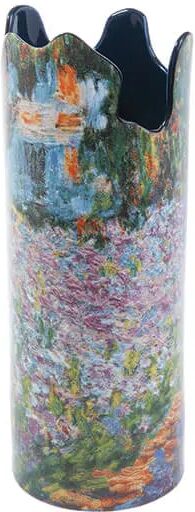
John Beswick Monet Irises in Garden VaseThe Monet Irises in Garden Vase brings a touch of artistic elegance to your living space, perfect for displaying fresh or dried flowers. Inspired by Monet’s iconic artwork, this vase makes a striking centrepiece for your home. Its graceful design enhances any room, adding colour and character whether used alone or filled with floral arrangements.55,00 £*Shipping: 0,00 £Secure redirect to the provider


-
'Lower classifications of irises'
Lower classifications of irises refer to the different species, varieties, and cultivars within the Iris genus. These lower classifications help to categorize irises based on specific characteristics such as color, size, and growth habits. Some common lower classifications of irises include bearded irises, Siberian irises, and Japanese irises. Each of these classifications has its own unique features and requirements for care and cultivation. **
-
When are irises planted?
Irises are typically planted in late summer or early fall, around August to October, depending on the specific variety and location. This timing allows the irises to establish their roots before the winter months and ensures they will bloom in the spring or early summer. **
-
Which irises are these?
These irises appear to be bearded irises, which are characterized by the fuzzy "beard" on the lower petal of the flower. Bearded irises are a popular garden plant and come in a wide range of colors, including purple, white, yellow, and blue. They are known for their striking appearance and are often used in landscaping and flower arrangements. **
-
When can you transplant irises?
Irises can be transplanted in late summer to early fall, after they have finished blooming. This allows the plants to establish themselves in their new location before the winter months. **

Are irises good for bees, and if so, which species?
Irises are good for bees as they provide a good source of nectar and pollen. Bearded irises, in particular, are known to attract bees with their vibrant colors and sweet fragrance. Other species of irises, such as Dutch irises and Siberian irises, also attract bees and other pollinators to the garden. Overall, planting a variety of iris species can help support bee populations by providing them with a rich source of food. **
What is a mystical or occult symbol?
A mystical or occult symbol is a visual representation that holds spiritual or esoteric significance. These symbols are often used in various mystical traditions, such as alchemy, astrology, and tarot, to convey hidden meanings or concepts beyond the physical realm. They are believed to possess magical or transformative powers and are used in rituals, meditation, and divination practices to connect with the divine or to unlock deeper levels of consciousness. Examples of mystical symbols include the pentagram, the Eye of Horus, and the ouroboros. **
Top-Angebote
Products related to Irises:
-
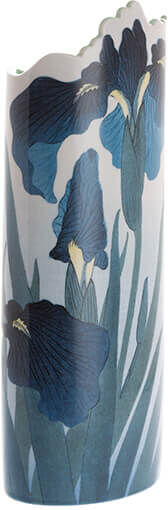
John Beswick Koson Irises VaseThe Koson Irises Vase brings a refined touch to any room, offering a stylish way to display your favourite flowers or enhance your décor. Perfect for adding character to your living space, this elegant vase complements both modern and classic interiors. Its versatile design makes it a lovely centrepiece for everyday use or special occasions.55,00 £*Shipping: 0,00 £Secure redirect to the provider
-
John Beswick Van Gogh Irises VaseThe Van Gogh Irises Vase brings a touch of artistic elegance to your home, inspired by the iconic Irises painting for a distinctive display piece. Showcasing a design influenced by Van Gogh’s celebrated artwork, this vase adds character and colour to any room. It’s perfect for displaying fresh flowers or as a striking decorative accent, helping you create a welcoming atmosphere with ease.55,00 £*Shipping: 0,00 £Secure redirect to the provider
-
John Beswick Monet Irises in Garden VaseThe Monet Irises in Garden Vase brings a touch of artistic elegance to your living space, perfect for displaying fresh or dried flowers. Inspired by Monet’s iconic artwork, this vase makes a striking centrepiece for your home. Its graceful design enhances any room, adding colour and character whether used alone or filled with floral arrangements.55,00 £*Shipping: 0,00 £Secure redirect to the provider
-
What are irises?
Irises are flowering plants that belong to the Iridaceae family. They are known for their showy, colorful flowers that come in a wide range of hues, including purple, blue, white, and yellow. Irises are popular garden plants due to their beauty and variety, and they are often used in landscaping and floral arrangements. **
-
Lower classifications of irises
Lower classifications of irises include the following categories: 1. Subgenus: This is a taxonomic rank below the genus level and is used to group species within a genus based on shared characteristics. 2. Section: This is a taxonomic rank below the subgenus level and is used to further classify species within a subgenus based on specific characteristics. 3. Series: This is a taxonomic rank below the section level and is used to group species within a section based on even more specific characteristics. 4. Subsection: This is a taxonomic rank below the series level and is used to further classify species within a series based on additional characteristics. Overall, these lower classifications help botanists and horticulturists organize and categorize the diverse range of iris species based on their unique traits and characteristics. **
-
'Lower classifications of irises'
Lower classifications of irises refer to the different species, varieties, and cultivars within the Iris genus. These lower classifications help to categorize irises based on specific characteristics such as color, size, and growth habits. Some common lower classifications of irises include bearded irises, Siberian irises, and Japanese irises. Each of these classifications has its own unique features and requirements for care and cultivation. **
-
When are irises planted?
Irises are typically planted in late summer or early fall, around August to October, depending on the specific variety and location. This timing allows the irises to establish their roots before the winter months and ensures they will bloom in the spring or early summer. **
Similar search terms for Irises
-
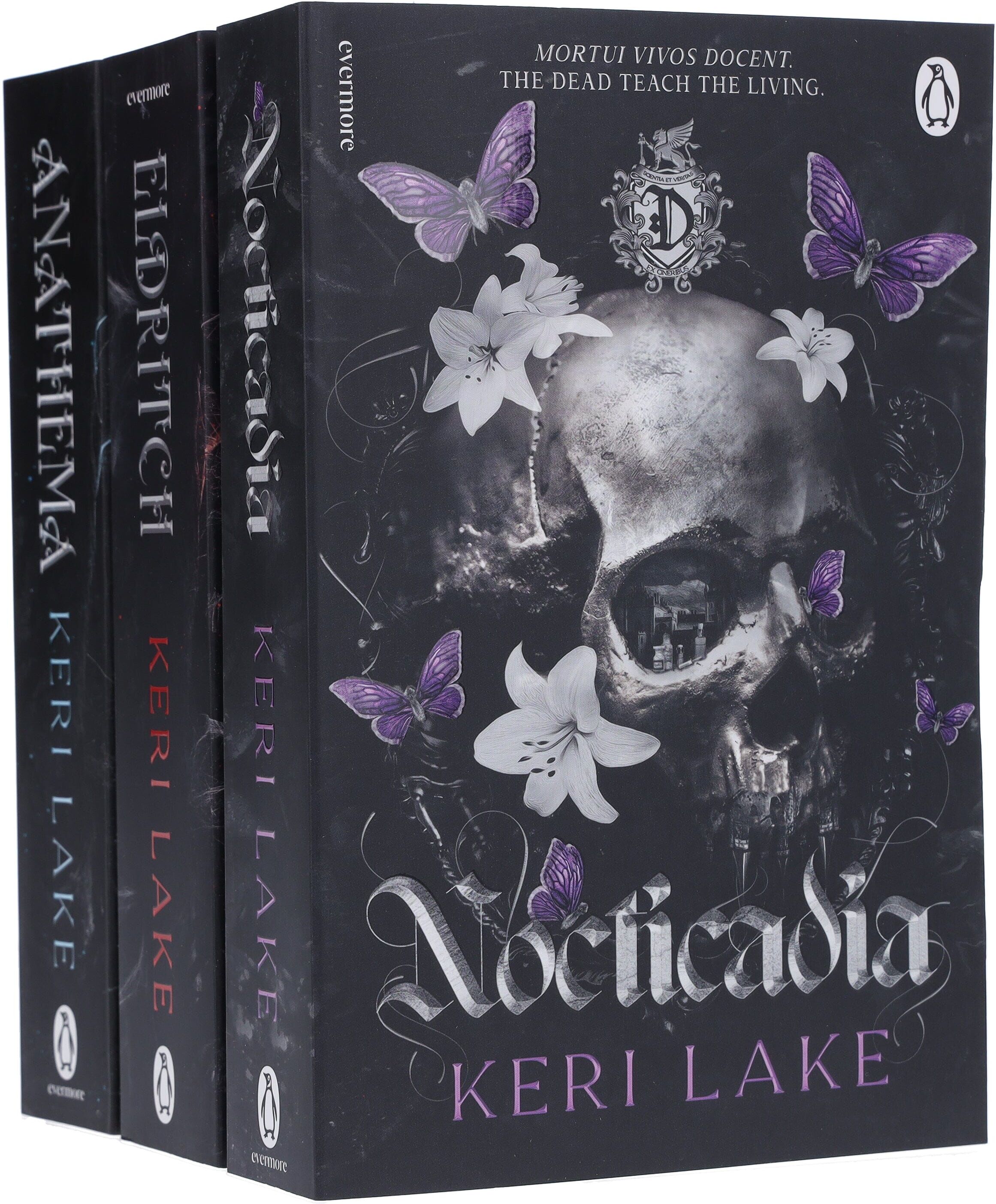
Keri Lake Collection (Anathema, Nocticadia & Eldritch) 3 Books Set - Fiction - Paperback Penguin Random HouseTitles in this Set: 1. Anathema 2. Nocticadia 3. Eldritch Description: Anathema Only the banished know what lies beyond the woods... There are whispers of what lurks in Witch Knell, the forest where sinners perish. The villagers call it The Eating Woods because what’s taken is never returned. Only the banished dare to approach. Maevyth Bronwick knows better than to enter the misty labyrinth, but tragedy forces her beyond the archway of bones into a dark, fantastical world. There dwells Zevander Rydainn, the cursed lord of Eidolon—a cold-blooded assassin—tasked with hiding her from the magehood that seeks her death. Zevander must protect Maevyth, whose blood can break his curse. But his growing obsession with her threatens to destroy everything. Including himself. Nocticadia After watching my mother succumb to a mysterious illness, I promised myself two things: I’d find the cure for what ravaged her—and leave the godforsaken city where she abandoned me. Four years later, I receive an acceptance letter from Dracadia University, a secluded, prestigious school on an island off the coast of Maine. Legends say it’s haunted by the exiled souls of long-dead patients. But the ghosts aren’t even its most daunting peculiarity. Devryck Bramwell, known on campus as Doctor Death, is my devastatingly handsome professor. He loathes first-years like me—yet his dark gaze tells me all the ways he’d devour me if given the chance, and his stolen kisses burn with forbidden jealousy. Together, we’re a toxic disaster waiting to be exposed. And when the truth surfaces, we may be the ones to resurrect Dracadia’s most depraved secret. Eldritch An eldritch magic has awakened, turning the mortal world darker. Colder. Famished. With flesh-eating monsters and a sinister curse spreading like a plague, the last glimmer of humanity in Foxglove Parish has long-since faded. For Maevyth and Zevander, the only chance of escape is through The Eating Woods. But fate has woven a new web, tangling the threads of destiny, and crossing the mystical boundary to Aethyria might not be so simple. As the bones of Maevyth’s past are unearthed, and truths unravel with unsettling clarity, the possibility of never leaving Mortasia is becoming more of a reality. Unfortunately for Zevander, time is running out. The longer he stays in the mortal lands, deprived of essential vivicantem, the more he succumbs to the encroaching specter of madness. Or maybe those chasing shadows are someone hunting him. A wretched evil closing in, threatening to pull him into the darkest corners of his mind. Only, this time, Maevyth may not have the power to save him.26,99 £*Shipping: 2,99 £Secure redirect to the provider
-
Philips MSD Platinum 20R Lamp for the Clay Paky MythosPhilips MSD Platinum 20R Lamp for the Clay Paky Mythos Clay Paky Mythos Specifications: Technology: High-intensity discharge Type: Metal Halide Watts: 470W Ends: Single-ended Overall Length: 72mm Diameter: 58.5mm Burning Position: Universal Arc...349,99 $*Shipping: 0,00 $Secure redirect to the provider
-
Which irises are these?
These irises appear to be bearded irises, which are characterized by the fuzzy "beard" on the lower petal of the flower. Bearded irises are a popular garden plant and come in a wide range of colors, including purple, white, yellow, and blue. They are known for their striking appearance and are often used in landscaping and flower arrangements. **
-
When can you transplant irises?
Irises can be transplanted in late summer to early fall, after they have finished blooming. This allows the plants to establish themselves in their new location before the winter months. **
-
Are irises good for bees, and if so, which species?
Irises are good for bees as they provide a good source of nectar and pollen. Bearded irises, in particular, are known to attract bees with their vibrant colors and sweet fragrance. Other species of irises, such as Dutch irises and Siberian irises, also attract bees and other pollinators to the garden. Overall, planting a variety of iris species can help support bee populations by providing them with a rich source of food. **
-
What is a mystical or occult symbol?
A mystical or occult symbol is a visual representation that holds spiritual or esoteric significance. These symbols are often used in various mystical traditions, such as alchemy, astrology, and tarot, to convey hidden meanings or concepts beyond the physical realm. They are believed to possess magical or transformative powers and are used in rituals, meditation, and divination practices to connect with the divine or to unlock deeper levels of consciousness. Examples of mystical symbols include the pentagram, the Eye of Horus, and the ouroboros. **
* All prices are inclusive of VAT and, if applicable, plus shipping costs. The offer information is based on the details provided by the respective shop and is updated through automated processes. Real-time updates do not occur, so deviations can occur in individual cases. ** Note: Parts of this content were created by AI.